RALUMO · BBC News
United Kingdom, over 26 thousand tool thefts in 2025: alarm grows among tradespeople
In the United Kingdom, work tools are stolen at an estimated frequency of one every twenty minutes. Data released by thirty police forces count at least 26,164 incidents in 2025, fueling complaints from tradespeople and political calls to tackle the black market for second-hand goods.
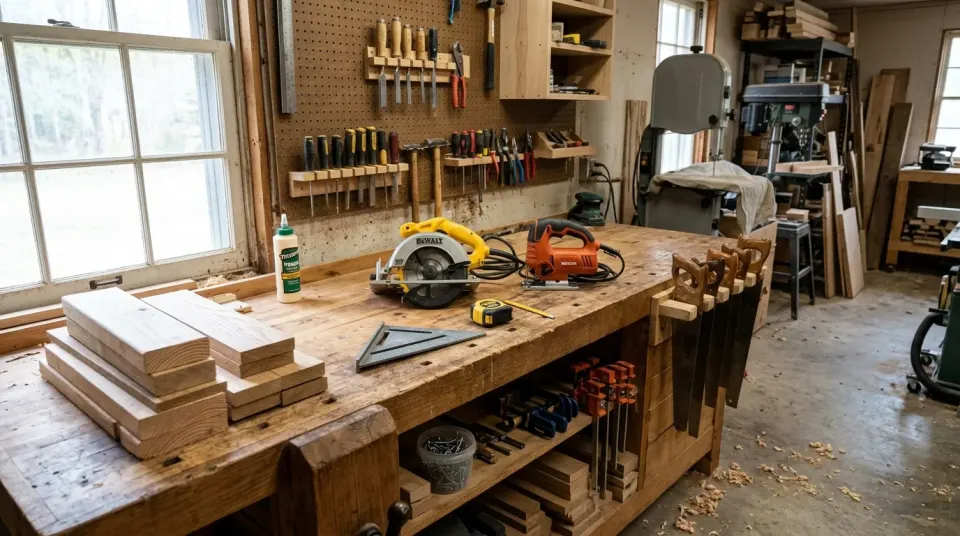
Tools
During 2025, the work tools of British tradespeople and technicians were stolen at a rate of one every twenty minutes. According to data collected by thirty police forces and analyzed by BBC News, at least 26,164 tool thefts were recorded across the national territory. The overall total could, however, be significantly higher, as fifteen other police departments did not provide their statistical data.
Labour MP Amanda Martin denounced the active role of criminal gangs and opportunists, urging the government to toughen penalties and regulate the second-hand market and online platforms more strictly. For its part, the British Home Office reported that it has increased patrol forces with over 3,800 additional neighbourhood officers and is investing around 18.5 billion pounds in public safety.
The economic impact on the self-employed and small businesses is particularly severe. According to the insurance company Direct Line for Business, the average claim requested in 2025 amounts to 4,206 pounds. In addition to the direct damage from the loss of equipment, businesses suffer heavy costs related to vehicles damaged during break-ins and lost earnings caused by days of forced inactivity.
To curb the phenomenon, law enforcement and the National Business Crime Centre are stepping up checks at car boot sales and second-hand markets, issuing legal notices to organizers who tolerate the sale of stolen goods. At the same time, many businesses are adopting preventive measures such as forensic marking of property using synthetic DNA-based liquids, detectable during police checks with ultraviolet lamps and specialized dogs.
Sources and references
BBC News · Updated: 30.10.2026 12:59 (Europe/Rome). Open official source ↗