RALUMO · BBC News
Linguistics in the United Kingdom: ultrasound tracks the evolution of pronunciation in Blackburn
A study conducted by Lancaster University using ultrasound scanners analyzed tongue articulatory movements in Blackburn, in the United Kingdom. The research found a progressive weakening of the traditional rhotic sound among younger generations, documenting the ongoing phonetic change in the East Lancashire area.
Tools
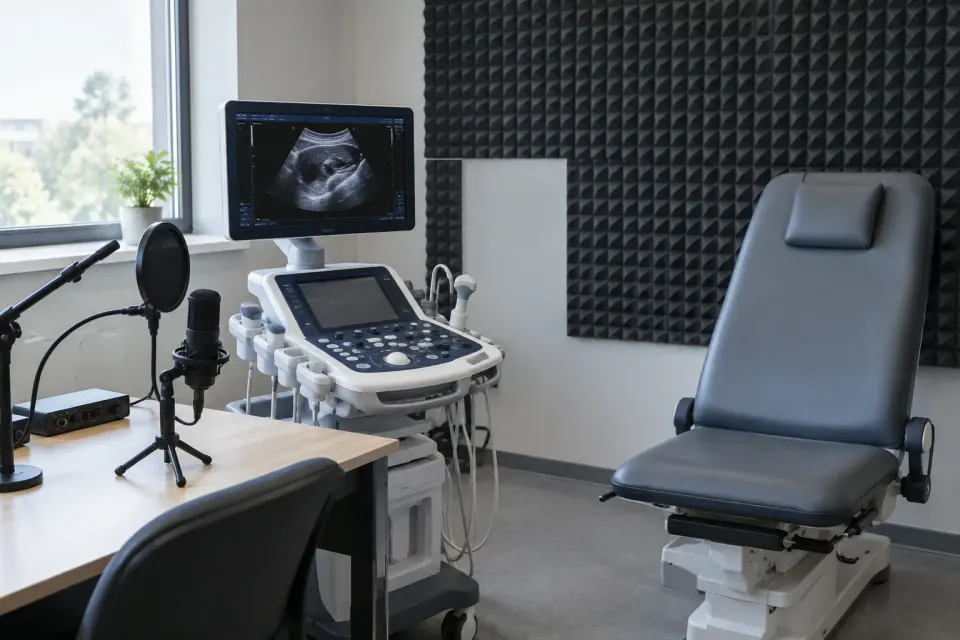
Researchers from Lancaster University used ultrasound instruments to observe tongue dynamics during speech production in England. The investigation focused on residents of Blackburn, considered one of the last English localities where a pronounced articulation of the letter r after vowels persists, in words such as star or heart. As reported by the broadcaster BBC News, the collected data document a gradual weakening of this historical linguistic feature.
Dr. Danielle Turton, head of the research project, explained to the broadcaster that East Lancashire represents one of the country's last areas to preserve such an articulatory characteristic. The scientific investigation highlighted a clear generational difference: while older residents produce an accentuated tongue movement, younger subjects show a decidedly weaker muscular action, even while partially retaining the traditional pattern.
The experimentation is part of a broader strand of analysis based on articulatory imaging, aimed at understanding how dialects and vocal production change within communities. Ultrasound indeed makes it possible to visualize otherwise invisible anatomical displacements, allowing real-time recording of phonetic transformations without being limited to the study of historical documents or traditional audio recordings.
The work, entitled Rhoticity in Decline? An Ultrasound Study of Lancashire /r/, was written in collaboration with Dr. Robert Lennon and benefited from financial support from the Leverhulme Trust. The findings attest to the dynamic nature of language, subject to continuous and almost imperceptible variations over time.
Sources and references
BBC News ↗ · Source date