RALUMO · RaiNews
Ecobonus, in the Budget Bill a single ceiling of 96 thousand euros for redevelopments
The Budget bill approved by the Council of Ministers introduces a single eligible spending cap for the Ecobonus equal to 96 thousand euros for single units. For condominiums, the threshold is set at 40 thousand euros multiplied by the number of housing units, maintaining differentiated rates between primary and secondary residences.
Tools
The Budget bill approved by the Council of Ministers introduces a significant change to tax incentives for the energy efficiency of buildings. As reported by the news outlet RaiNews, the government has provided for the establishment of a single ceiling of eligible expenditure intended to cover as a whole the various types of intervention included in the Ecobonus. The new ceiling is set at 96 thousand euros for each single real estate unit, while for works on the common parts of condominiums the limit will be 40 thousand euros multiplied by the total number of housing units.
The regulation currently in force instead provides for separate and cumulative spending ceilings based on the specific category of works carried out, such as window frames, shielding, or heating systems. With the adoption of a single general ceiling, the use of substantial resources for primary works, such as insulation via thermal insulation systems or the adoption of heat pumps, will reduce the remaining margin usable for other improvements. According to technical analyses in the sector, this structure will particularly affect complex global energy renovation projects.
On the tax rates front, the bill confirms for 2027 the measures already previously established for 2026. The incentive therefore remains at 50% for properties used as a main residence and drops to 36% for other types of property. The proposal, discussed in recent weeks, to raise the deduction to 65% by exploiting European parameters for energy savings did not find space.
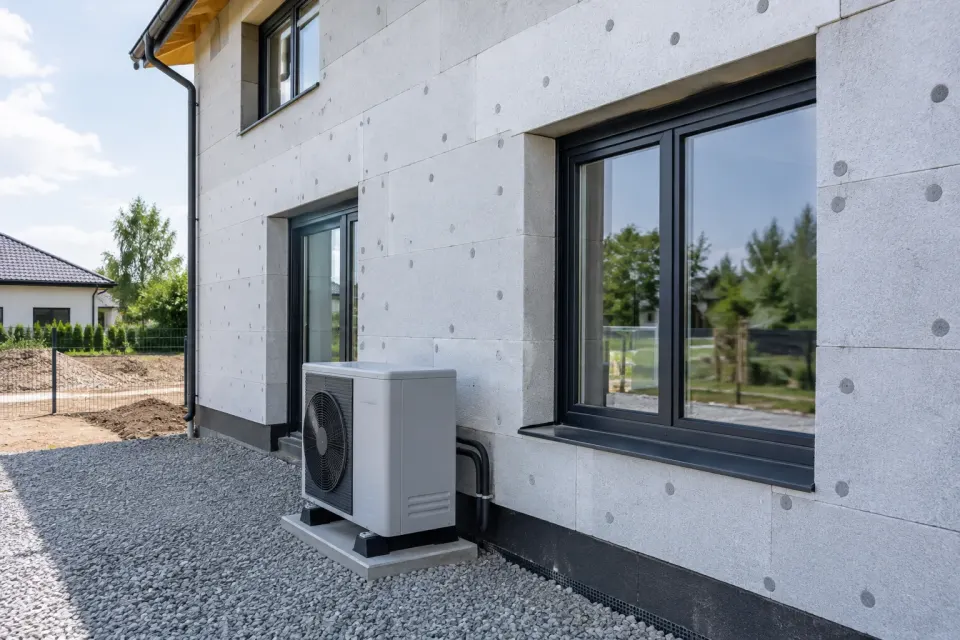
The eligible perimeter continues to include fixtures, thermal insulation, heat pumps, hybrid systems, solar thermal, awnings, and automation for consumption monitoring, while fossil fuel boilers remain excluded. The overall framework of the rules will now have to face the parliamentary process in view of final approval, during which the text may be amended by the Chambers.
Sources and references
RaiNews ↗ · Source date