RALUMO · Ukrainska Pravda
Ukraine and Norway develop Desna air defence system
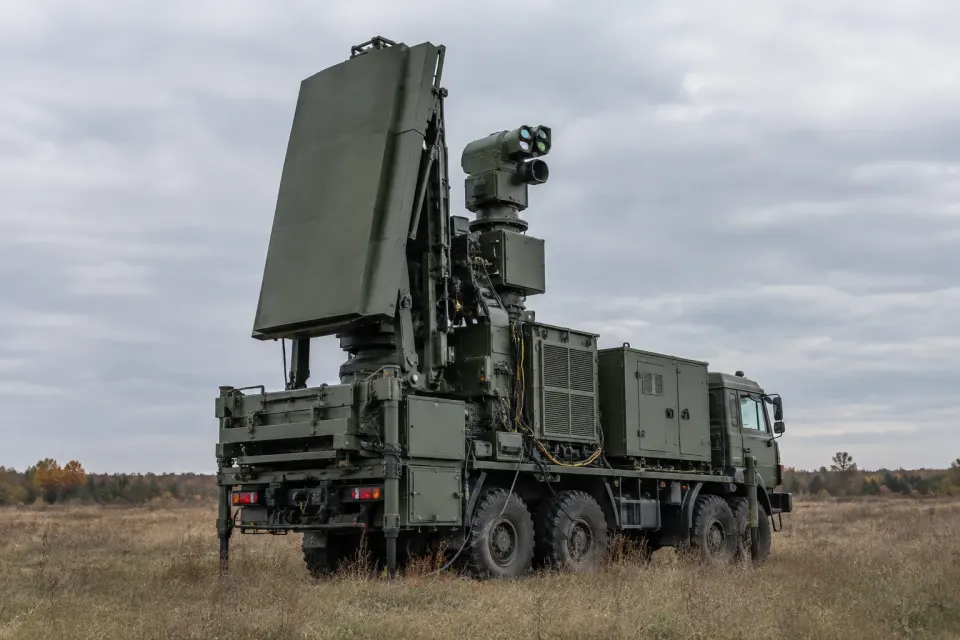
The defence industries of Ukraine and Norway have jointly developed the Desna air defence system, which is already operational to counter Russian drone attacks. The announcement came during a summit in Oslo between the defence ministers of both countries, focused on expanding military supplies.
Tools
The military industries of Ukraine and Norway have designed and operationalised a new air defence system named Desna, conceived to protect Ukrainian airspace from Russian drone incursions. The news was reported by the outlet Ukrainska Pravda, citing Norwegian government sources and statements made by Norwegian Defence Minister Tore O. Sandvik during an institutional meeting in Oslo with his Ukrainian counterpart Yevhenii Khmara.
According to statements by Minister Sandvik, the apparatus combines low-cost, Ukrainian-produced missiles—capable of being manufactured in large volumes—with fire control systems supplied by Norway. In recent months, Oslo has procured and delivered several units, which are already integrated in the operational field. Norwegian authorities also confirmed that plans are currently underway to expand the project, in order to guarantee defensive coverage across wider territories.
The Desna system, named after a major Ukrainian river, stems from industrial cooperation between the Norwegian company Kongsberg and a Ukrainian partner. The military architecture comprises Ukrainian-manufactured anti-aircraft missiles and launchers directly linked to the Scandinavian company's targeting technology equipment. Sandvik emphasised that the limited availability of ammunition on the international market makes the adoption of more economical vectors essential for countering air raids.
During the official visit to Oslo, the two ministers also signed a memorandum of understanding to test the Ukrainian digital combat ecosystem named Delta. Previously, a similar agreement for the application of Delta was agreed with German Defence Minister Boris Pistorius in Berlin on 23 November, a meeting during which Khmara had obtained preliminary understandings for the receipt of further interceptor missiles bound for Ukraine.
Sources and references
Ukrainska Pravda ↗ · Source date