RALUMO · RTVE
Spain, Sánchez and Feijóo head towards TV debate: the evolution of electoral debates
Ahead of the new television debate between Pedro Sánchez and Alberto Núñez Feijóo, Spanish outlet RTVE analyzes the crucial role and historical evolution of electoral head-to-heads, highlighting the strong impact of communication strategies and the debate on social media.
Tools
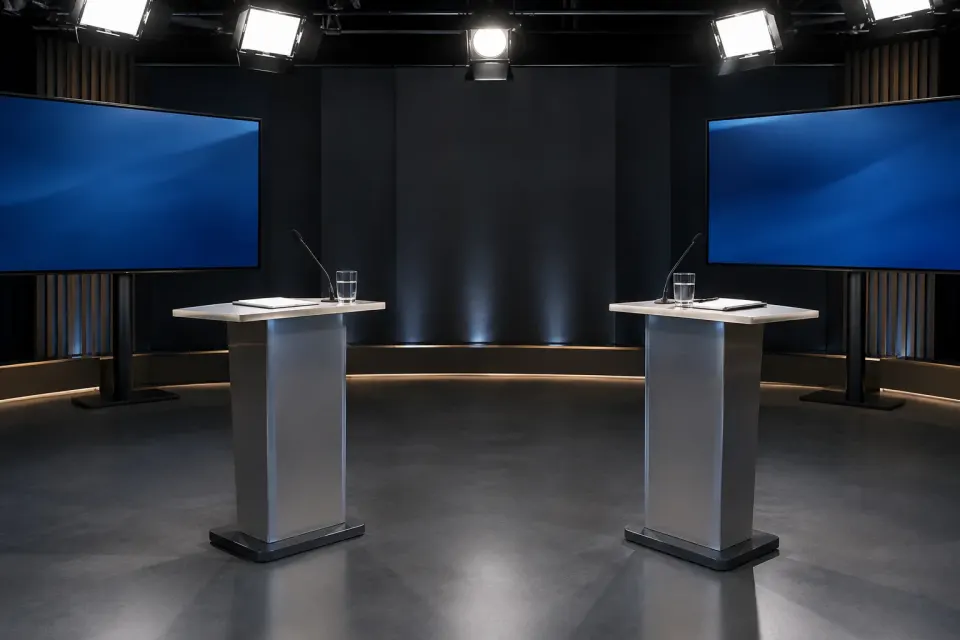
Socialist candidate Pedro Sánchez and Popular Party representative Alberto Núñez Feijóo face a new television head-to-head, organized by the Spanish Academy of Television and moderated by María Casado. According to reports from broadcaster RTVE, the event brings back to the center of the election campaign a formula that has historically had a decisive weight on political balances and the orientation of the electorate.
The broadcaster's analysis recalls how the tradition of small-screen duels began in 1960 in the United States with the historic encounter between Nixon and Kennedy, before debuting in Spain in May 1993 during the clash between González and Aznar. This television format achieved significant audience records in 2008 with Zapatero and Rajoy, before opening up to multi-party forces in the following years.
Election campaign expert Joan Navarro emphasized to RTVE that in these contexts no one truly wins, but someone can lose the contest by making mistakes or offering the wrong answers. A crucial difficulty for the candidates consists in managing the impact of fact-checking and the interaction with a structurally complex and hostile television context.
Alongside the traditional broadcast, the so-called post-debate on digital channels and social media has acquired an importance equivalent to the on-air debate, amplifying rebuttals and fragments of discussion capable of clearly influencing the final consensus.
Sources and references
RTVE ↗ · Source date