RALUMO · RTVE
Spain, behind the scenes and negotiations of election debates revealed by RTVE
An in-depth report by the broadcaster RTVE examines the complex behind-the-scenes aspects of televised confrontations between political leaders in Spain. From mediations to avoid cross-vetoes to the meticulous definition of topics and technical rules, the strategic weight of these decisive media appointments for still undecided voters emerges.
Tools
Televised confrontations represent one of the central moments of electoral campaigns in Spain. According to what was reported by the broadcaster RTVE within its videopodcast La Comentada, the organization of these head-to-heads requires delicate and intense negotiations between political forces and television broadcasters. Discussions begin immediately after the formal calling of the parliamentary vote to establish host channels, participants, and rules of conduct.
The negotiations regularly address complex issues, including cross-vetoes between the main national parties. In contexts where mutual rejections toward public broadcasters or private channels emerge, resorting to neutral spaces such as the Academy of Television has made it possible to unblock schedules, despite claims by the public broadcasting service regarding its institutional role and the free provision of the signal to other networks.
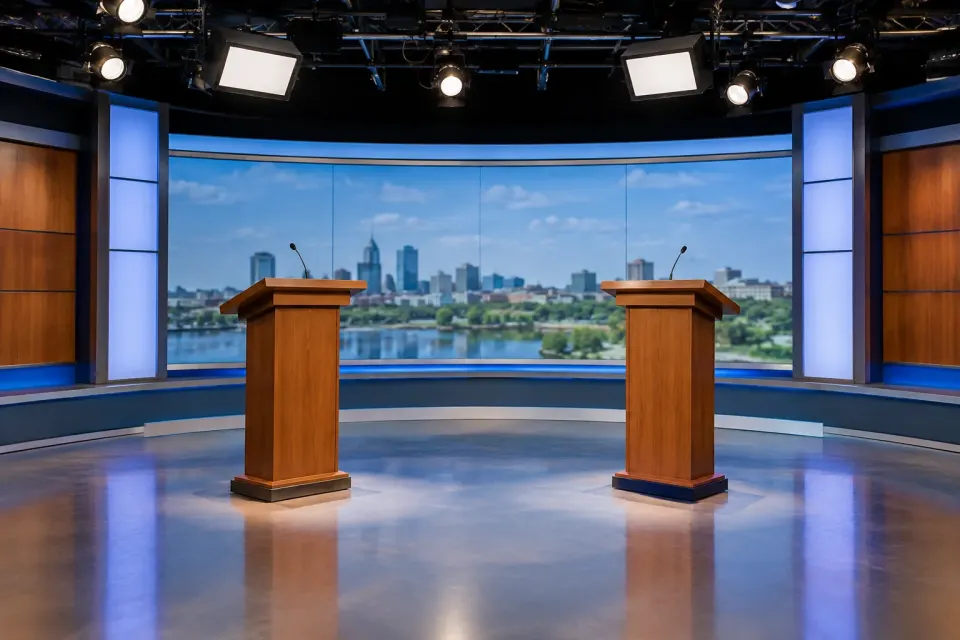
In addition to the choice of programming, candidate delegations discuss technical and organizational details at length. The parties negotiate the precise naming of thematic blocks, the height of lecterns, the presence of commercial breaks, and the studio temperature. Such precision stems from the desire to minimize margins of error, leading to extremely structured formats characterized by strict time constraints.
Televised debates, introduced in Spain in 1993 and stably resumed since 2008, maintain a considerable influence on the outcome of the vote. With significant percentages of citizens choosing their preference only in the final hours before the polls, the impact of replies and subsequent dissemination on social media prove decisive for the balance of the electoral campaign.
Sources and references
RTVE ↗ · Source date