RALUMO · RTVE
Spain sets minimum services for the November 11 general strike
Spanish authorities have established essential operating quotas for the general strike on November 11. According to broadcaster RTVE, the measures involve transport, public health, and strategic security to protect citizens' fundamental rights.
Tools
In view of the general strike called in Spain for Wednesday, November 11, the competent administrations have decreed mandatory minimum services in essential sectors. RTVE highlights that local regulations do not provide an exhaustive list of primary activities, leaving it to public bodies to determine the quota of staff required to report to work. Requisitioned workers cannot refuse the assignment, risking sanctions or disciplinary dismissals otherwise.
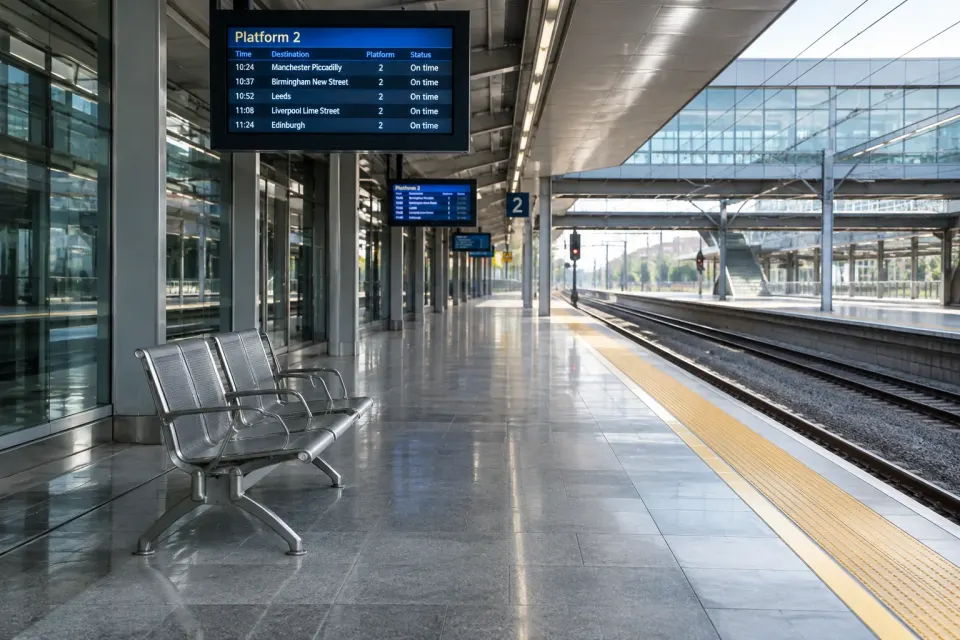
The transport sector will see a broad adjustment of rail and air services. Renfe will maintain 75% of Cercanías suburban trains during peak hours and 50% during the remaining times, while high-speed trains will operate at 73% and freight at 26%. For air connections to the Canary and Balearic Islands, airlines must reallocate 90% of expected passengers, dropping to 65% for international routes or those lacking viable fast alternatives.
At the local level, Madrid has set metro circulation at 80% during peak hours and urban buses at 50%. In Catalonia, the Generalitat has mandated a 25% level during peak hours for the metro, buses, and regional trains, with no minimum quotas during the remaining hours. Regarding healthcare, facilities will operate with staffing typical of holiday shifts, safeguarding urgent oncological therapies and critical units.
Finally, the Ministry of the Interior has regulated private security protecting twelve strategic sectors. Security posts will cover 80% of activities in nuclear, chemical, and energy plants, as well as banking institutions, rising to 90% in stations, ports, and national airport hubs.
Sources and references
RTVE ↗ · Source date