RALUMO · la Repubblica
Gavia Pass heads toward return to the Giro d'Italia route
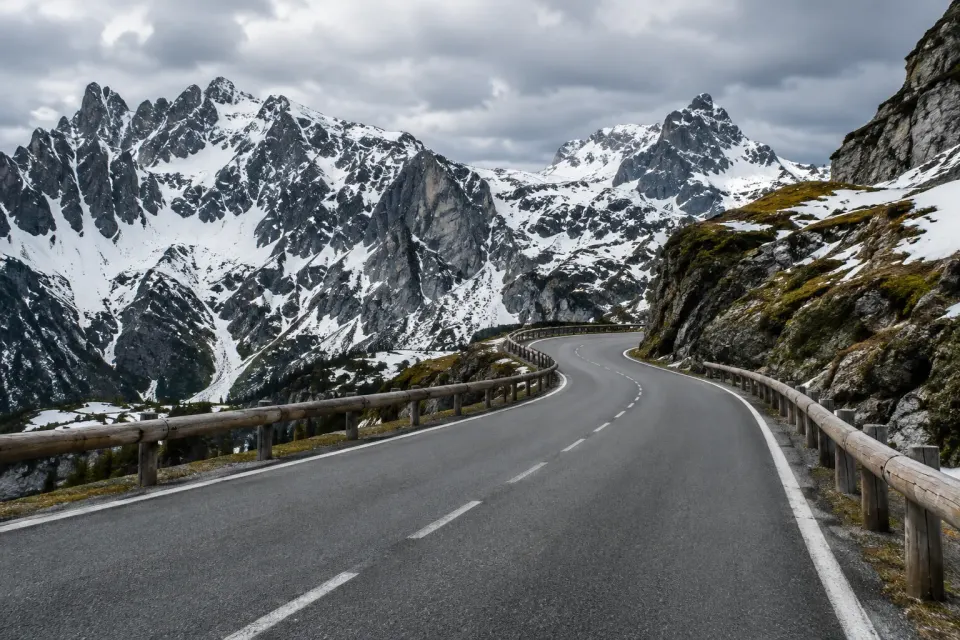
Following a prolonged absence dating back to 2014, the Gavia Pass is preparing to return to the route of the Giro d'Italia, weather permitting. The Alpine pass at an altitude of 2,618 meters features seventeen kilometers of ascent with gradients reaching 16 percent between Valfurva and Val Camonica.
Tools
Thirteen years after its last actual passage in the race, dating back to the 2014 edition, the Gavia Pass is ready to once again be part of the Giro d'Italia, provided the weather allows it. The Alpine climb, included in the 2019 program but then canceled due to heavy snowfall, presents complex conditions for the organizers. The pass indeed reaches an altitude of 2,618 meters and the race traditionally crosses the mountains in the final part of May, whereas the road section regularly reopens to motor traffic only in mid-June or sometimes later.
The publication la Repubblica emphasizes the harshness of the route, seventeen kilometers long and characterized by gradients reaching peaks of 16 percent between Valfurva and Val Camonica. The area's harsh microclimate has often conditioned the competition, turning the summit into one of the most feared passages of the Corsa Rosa. Furthermore, three hundred meters from the col survives a strip of Arctic tundra, the only remaining testimony of the Ice Age on Italian territory.
The chronicles of the race hold indelible memories, starting with its first appearance in 1960 marked by Imerio Massignan crossing the summit first and by punctures that gave victory to Charly Gaul. The 1988 edition under a violent snowstorm also remains historic, with Johan van der Velde's attack, Erik Breukink's stage triumph, and the pink jersey captured by Andrew Hampsten.
Despite the many ascents, no rider who has crossed the summit first has ever won the stage or the overall classification of the Giro. The route was canceled due to bad weather in 1961, 1989, and 2013, prior to Robinson Chalapud's passage in 2014. The road also recalls the tragedy of July 20, 1954, when a military vehicle carrying twenty-one Alpini plunged one hundred and fifty meters, causing eighteen fatalities.
Sources and references
la Repubblica ↗ · Source date