RALUMO · RTSH
Initiative to reduce plastic pollution in the Drino river valley in Albania
In the Drino river valley, a project has been launched to curb plastic waste generated by commercial activities and the local community. The initiative aims to protect the ecosystem linked to the Vjosa National Park, providing for agreements with the municipality of Gjirokastër to introduce tax relief dedicated to virtuous operators.
Tools
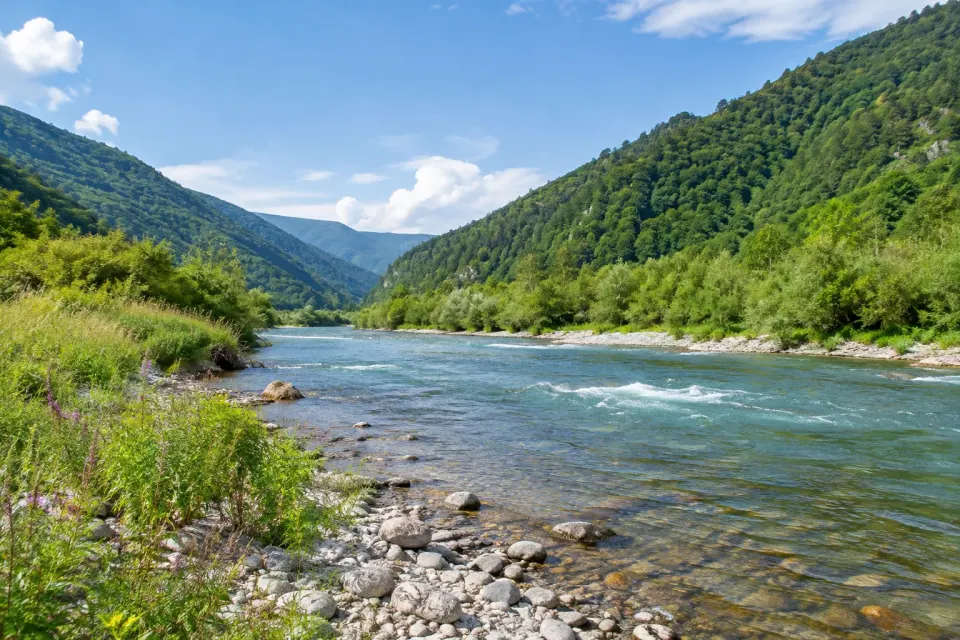
In the Drino river valley, an environmental protection plan called Step - Zero Plastic in the Drino Valley has been launched. The primary objective of the initiative is to reduce the use and improper disposal of plastic materials along the riverbed, as reported by the Albanian broadcaster RTSH. Current pollution largely stems from local businesses and community habits, endangering the ecological balance.
The ecological plan focuses particularly on waste generated by the hotel and catering sector. Expert Kristi Bashmili explained that preventing the dispersion of plastic is essential because the area forms an integral part of the Vjosa National Park. The area possesses recognized international importance for its biological heritage and wildlife, as well as representing a significant resource for the development of sustainable tourism.
Data collected by the promoters indicate that local economic operators have shown willingness to cooperate to reduce waste. To encourage ecological behavior, program leaders are collaborating with the municipality of Gjirokastër. The parties have signed a memorandum of understanding aimed at defining support measures for businesses involved in the virtuous path of waste reduction.
The project coordinators have also initiated contacts with other municipal councils in the region to verify the feasibility of targeted tax breaks. These measures are intended to reward businesses that actively limit single-use plastics. The overall goal remains to improve the condition of the river basin, while raising awareness throughout the community on the importance of permanently protecting the natural heritage of the valley.
Sources and references
RTSH ↗ · Source date