RALUMO · Deutsche Welle
Germany, fifteen years after the discovery of the NSU cell, the debate on memorials continues
Fifteen years after the emergence of the neo-Nazi terrorist network NSU, Germany faces the conclusion of judicial proceedings and the management of historical memory. Amid verdicts contested by the victims' families and memorial projects still unfinished, the Bundestag has scheduled a discussion dedicated to institutional responsibility.
Tools
Fifteen years after the discovery of the underground terrorist group National Socialist Underground, Germany continues to grapple with the judicial and civil legacy left by neo-Nazi violence. As reported by broadcaster Deutsche Welle, the legal proceedings now appear largely settled, while leaving unresolved several questions raised over time by the relatives of the ten victims killed between 2000 and 2007.
On the judicial front, the recent two-year suspended sentence for Susann Eminger by the Dresden court sparked strong critical reactions among the relatives of the murdered individuals. Currently, Beate Zschäpe remains the only convicted person still detained, while all other investigations by the Federal Prosecutor's Office into alleged supporters of the cell have been closed following the release of other defendants after serving their sentences.
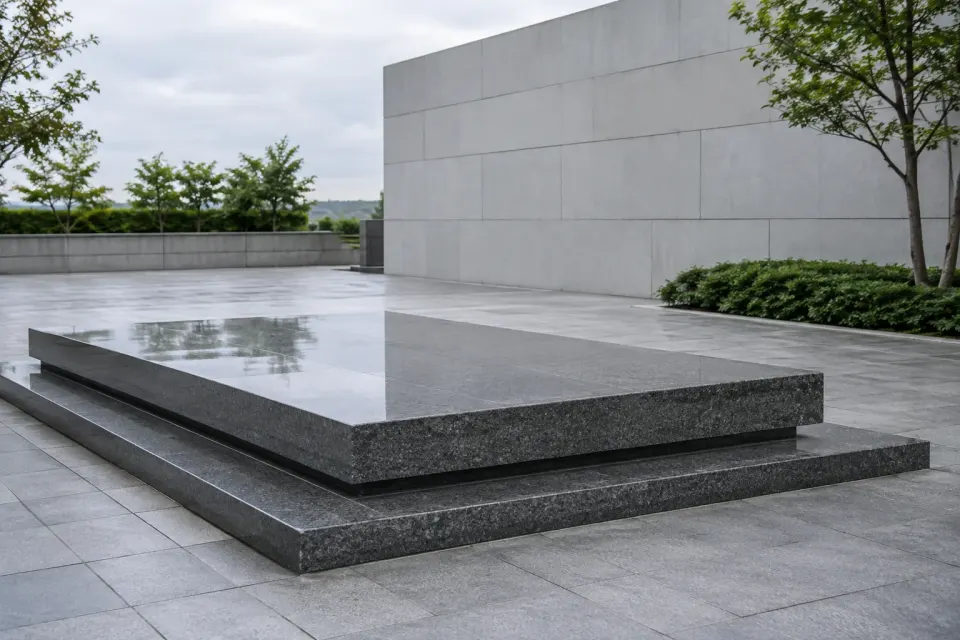
In parallel, initiatives for memory preservation show uneven progress across the national territory. While a permanent exhibition space titled Open Trial has been active in Chemnitz since 2025, the planned national documentation center in Nuremberg will be postponed to 2030, with nearly nine million euros allocated. In Cologne as well, the construction of the monument on Keupstrasse has accumulated similar delays due to construction work.
In this scenario of demands for justice and institutional commitments yet to be completed, the German federal parliament has organized a plenary session dedicated to the memory of the victims and current responsibility regarding the risks of extremist violence. The parliamentary debate aims to re-examine the impact of the crimes committed and the adequacy of the preventive tools adopted by the state over the years.
Sources and references
Deutsche Welle ↗ · Source date