RALUMO · France 24
France: Menstrual disorders reported after tear gas use at protests
In France, thousands of women report acute pain and menstrual anomalies following exposure to tear gas during recent demonstrations. Testimonies gathered by the collective Lacrymos du sang fuel calls to ban the chemical substance used by the police.
Tools
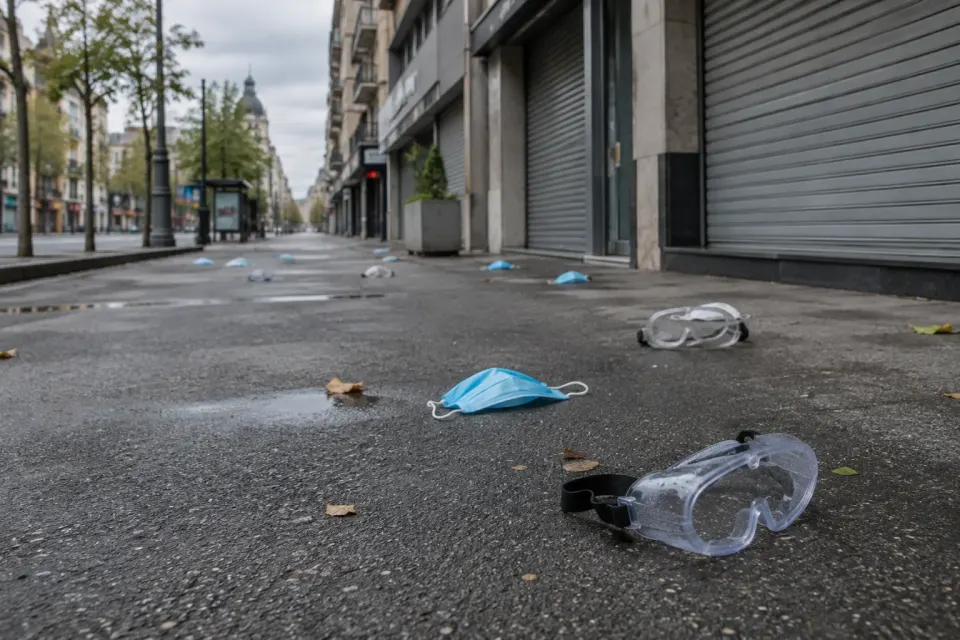
In France, the widespread use of tear gas by law enforcement during recent protests has raised serious health concerns. The broadcaster France 24 reports that thousands of women have reported menstrual cycle alterations and unusually intense pain after exposure to the chemical substance used to disperse the marches. The protests, sparked by school conditions and worsened by the rising cost of living, saw massive firings of canisters, with over twenty-two thousand projectiles fired on the day of October 17 alone.
The collective Lacrymos du sang, composed of activists and healthcare professionals, has collected over ten thousand testimonies from protesters and mere passersby. The initiative originates from previous research conducted in Portland in the United States during the 2020 protests. The accounts indicate unusual hemorrhages and sharp pains appearing even in individuals who were not directly taking part in the rallies, highlighting how the dispersion of the irritant compound indiscriminately affects large urban areas.
From a toxicological standpoint, experts draw attention to the CS compound, commonly present in police-issued ordnance. According to researchers, the derived molecules in the body can act as endocrine disruptors and directly activate pain receptors. Reports also include cases of miscarriages attributed to gas inhalation, although a direct link is not yet scientifically confirmed and requires further medical verification.
The controversy fuels political demands to ban or suspend the use of the irritant gas pending definitive clinical studies. A Member of Parliament from France Unbowed has formally urged the executive to stop the firings. Although the Ministry of the Interior withdrew a type of stun grenade after a recent serious injury, the authorities have not altered the use of other non-lethal weapons in their available arsenal.
Sources and references
France 24 ↗ · Source date