RALUMO · Euronews
Spread of Smart Glasses in China for Translation and Hearing Support
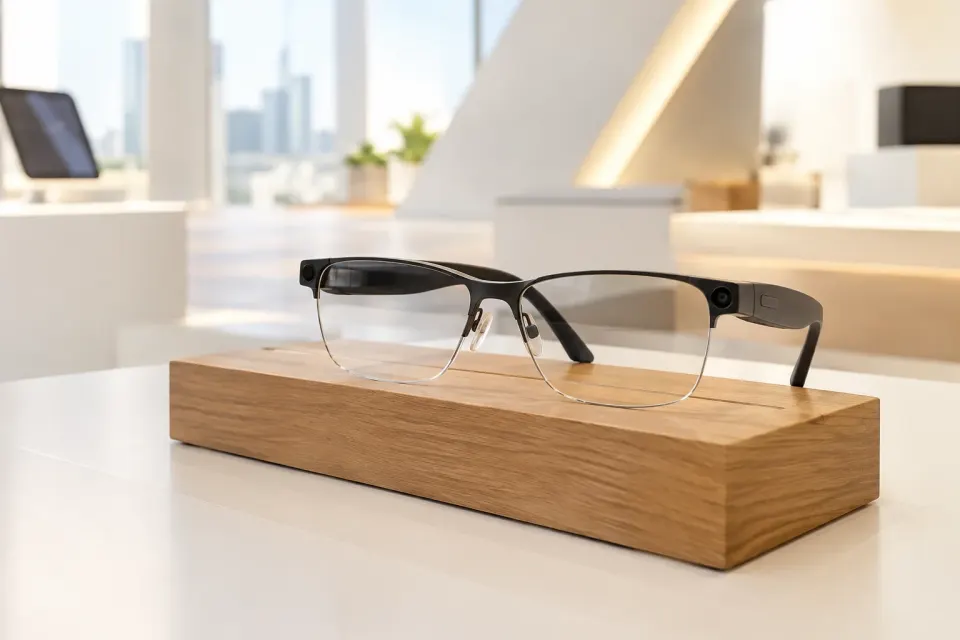
Artificial intelligence-equipped glasses are seeing increasing adoption as everyday tools, particularly for travelers and individuals with hearing impairments. According to an in-depth report by Euronews, more than half of global models are manufactured in China, amid practical trials and open privacy questions.
Tools
The spread of wearable devices takes another step forward thanks to glasses equipped with artificial intelligence, which are progressively shifting from mere trend items to functional everyday tools. According to reports from the broadcaster Euronews, these devices primarily target international travelers and people affected by hearing loss, while manufacturers are confident that they could replace smartphones in the future.
The manufacturing sector finds one of its main hubs in China, where more than half of the world's AI-enabled glasses models are produced. In Shenzhen's renowned Huaqiangbei market, thousands of buyers and curious visitors test these devices every day, confirming the area's industrial and commercial centrality for the development of such technologies.
The devices demonstrate direct practical applications in breaking down communication barriers. Among the cases reported by the outlet is the experience of travelers who use instant translation without the need for interpreters, as well as the use by deaf users, such as Liu Shanshan, who uses models from the RayNeo brand capable of displaying conversation subtitles in near real-time.
Despite consumer enthusiasm during meetings, commutes, or outdoor meals, the industry continues to face significant questions regarding privacy protection and the handling of personal data recorded by visual and auditory sensors, crucial aspects for the definitive large-scale adoption of such wearable devices.
Sources and references
Euronews ↗ · Source date