RALUMO · Euronews
China, robotaxis and commercial drones expand in Guangzhou and Shenzhen
In China, autonomous vehicles and delivery drones have begun commercial operations in Guangzhou and Shenzhen. The services include passenger transport extended to busy districts and aerial delivery of medicines, defibrillators, and consumer goods to parks and remote islands.
Tools
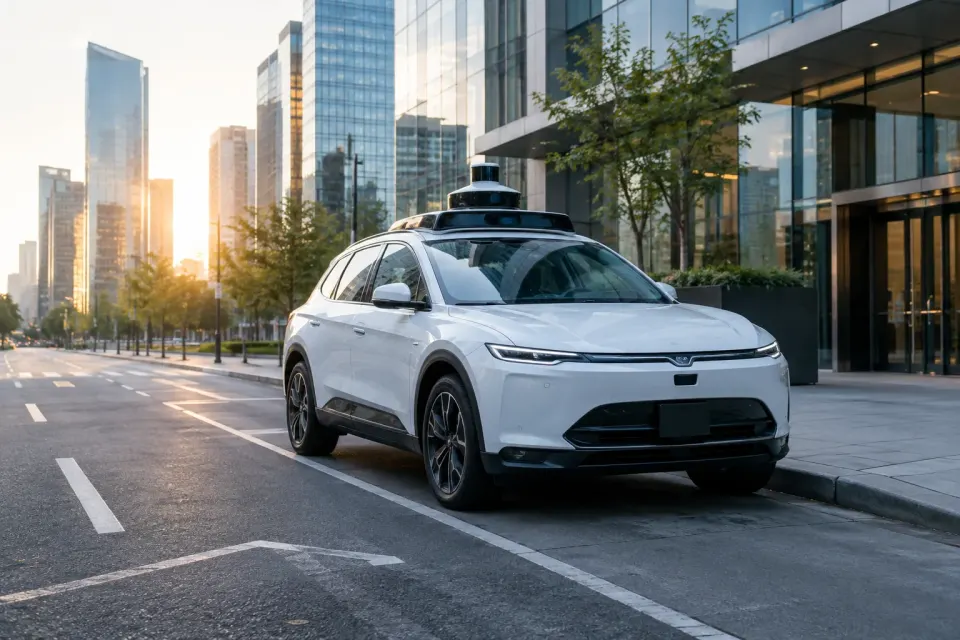
Autonomous transport services are consolidating their commercial presence in China, progressively extending from experimental test tracks to the busiest urban streets. According to broadcaster Euronews, the southern metropolises of Guangzhou and Shenzhen have authorized commercial robotaxi operations in high-density districts, marking a crucial step for automated mobility.
The current industrial goal is to move beyond the demonstration phase to achieve a broad and sustainable operational scale. Li Yifan, vice president of the company WeRide, emphasized that the country's global leadership in automotive manufacturing and new energy vehicles provides a solid technological and infrastructural foundation to support large-scale autonomous driving in the coming years.
In parallel with road transport, the city of Shenzhen is hosting commercial applications based on the use of unmanned aircraft for the rapid delivery of goods. Automated aircraft supply kiosks within urban parks with beverages and daily consumer goods, offering residents and visitors an alternative, immediate logistics system.
The autonomous aerial sector is also shifting toward healthcare applications and critical territorial connections. The company LowAlt Technologies is testing the delivery via drones of life-saving devices such as defibrillators and urgent medical supplies, while the company Mengtai Aerolink is using aerial carriers to ensure regular links with otherwise isolated islands and mountain villages.
Sources and references
Euronews ↗ · Source date