RALUMO · BBC News
China and the United States lead the energy contest between renewables and fossil fuels
China's industrial expansion in clean technologies clashes with the fossil fuel model promoted by the United States, as the COP31 climate summit opens in Antalya. International strategic decisions impact household energy costs and pose complex challenges regarding security and foreign supplies.
Tools
The global energy transition reflects an increasingly pronounced confrontation between the industrial strategies of Beijing and Washington. According to an account by BBC News on the occasion of the COP31 climate summit in Antalya, China is focusing decisively on the production and export of solar panels, batteries, and electric vehicles, aiming to meet ahead of schedule the target of deriving thirty-five percent of its energy from electricity. On the opposite front, the United States maintains a strong orientation toward the extraction and sale of hydrocarbons.
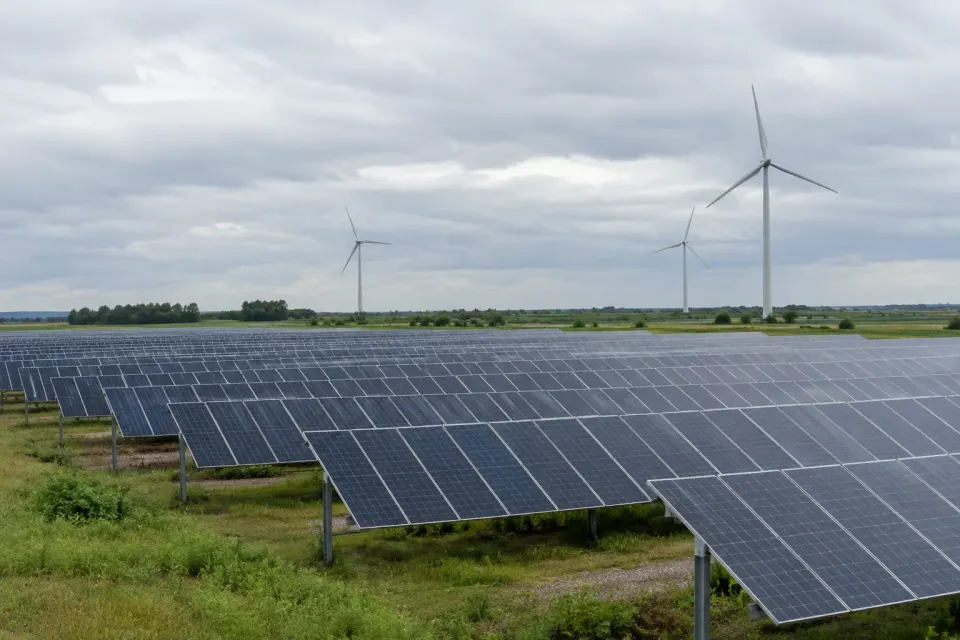
The analyzed data highlight that Beijing manufactures the majority of photovoltaic modules and batteries worldwide, as well as two-thirds of electric vehicles. Chinese exports linked to these supply chains have recorded significant increases, consolidating a technological supremacy that is transforming climate geopolitics. This manufacturing acceleration allows the Asian country to assume a central position in the supplies essential for the decarbonization required by international commitments to mitigate global warming.
However, reliance on Chinese technologies raises security and dependency concerns for Western governments. In the United Kingdom, authorities strategically blocked an industrial plan by the Chinese group Ming Yang, preferring to approve fields in the North Sea despite reserves estimated for limited periods compared to total national consumption, highlighting the difficulties in balancing domestic security and transition.
The overall balance remains conditioned by market dynamics and household bill fluctuations. Although the costs of renewables have dropped sharply over the last decade, grid expenses, interest rates, and fossil raw material prices continue to influence wholesale tariffs, forcing importing countries to carefully manage foreign trade diversification.
Sources and references
BBC News ↗ · Source date