RALUMO · BBC News
Monmouth flood, one year after Storm Claudia heavy disruption continues for displaced residents
Twelve months after the flooding of the River Monnow caused by Storm Claudia in South Wales, many Monmouth residents are still facing the consequences of the damage to their homes. Local and environmental authorities are reviewing warning management and the effectiveness of flood defences.
Tools
One year on from the flood caused by Storm Claudia in November 2025, the community of Monmouth in South Wales is still dealing with the severe aftermath of the River Monnow overflowing. As reported by BBC News, the exceptional weather event submerged more than four hundred properties, forcing numerous inhabitants to leave their flats for long months due to the complex drying and renovation operations. Among those affected are several elderly people, some of whom have spent nearly a year in temporary accommodation without being able to return.
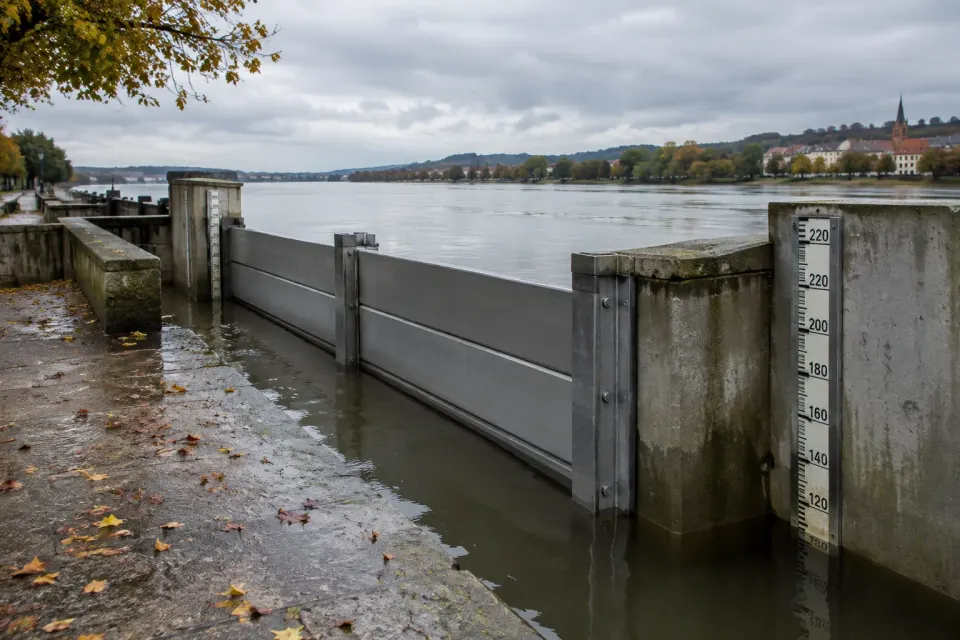
The flood overtopped the protective flood banks built thirty-five years ago to protect the town. An official report on emergency management highlighted that the severe flood warning for the rest of the town arrived more than two hours late compared to the moment the defences were breached by water. The document therefore recommended a full review of the timing of notification issuance and how warnings are understood by the local population.
Natural Resources Wales explained that the particular geographical shape of the Welsh territory encourages the rapid rise of rivers during heavy rainfall. The agency clarified that it regularly reviews risk thresholds after every major emergency and is verifying hydraulic models to limit future impacts, urging citizens to prepare for adverse weather conditions that experts forecast will increase due to global warming.
To address the disruption, the Welsh government has allocated eighty-five million pounds to local authorities for projects tackling coastal erosion and flooding, reserving about one million four hundred thousand pounds for the Monmouthshire area. Residents, however, continue to voice strong anxiety at every new rain warning, while maintenance work and the installation of flood barriers continue to secure damaged buildings.
Sources and references
BBC News ↗ · Source date